

Visibility Vs Control: What Brokers And Carriers Actually Need From Fleet Data
Key Takeaways
Is fleet visibility the same as control?
No. Fleet visibility shows what is happening, while control enables teams to act on that information and influence outcomes.
Why isn’t tracking enough for brokers and carriers?
Tracking only answers where a truck is. Leaders need fleet data visibility that explains risks, delays, and the actions required to prevent service failures.
What does “true visibility” actually provide?
True visibility combines real-time data with context, accurate ETAs, and exception alerts so teams can make faster, better decisions.
How does fleet data visibility help brokers specifically?
It allows brokers to anticipate disruptions, communicate proactively with customers, and manage exceptions before they escalate.
What do carriers gain from visibility beyond tracking?
Carriers gain operational control fewer check calls, better dispatcher efficiency, improved planning, and more predictable daily operations.
Why does this topic matter to leadership teams?
Because leaders care less about dashboards and more about outcomes reduced risk, protected margins, and consistent service performance.
What happens when visibility exists without control?
Teams see problems but remain reactive, increasing stress, delays, and operational inefficiency.
Visibility vs Control: Why Fleet Data Still Leaves Leaders Unsure

Fleet data visibility has become a standard promise across transportation platforms. Live maps, constant pings, and real-time dashboards are now expected features. Despite this, many brokers and carriers continue to operate reactively, spending their day responding to issues rather than preventing them.
The core problem is not the absence of data. It is the absence of control. Fleet data visibility only becomes meaningful when it helps leaders anticipate disruption, act early, and protect service levels. Without this connection, visibility becomes background noise rather than a decision-making tool.
What Does Fleet Data Visibility Actually Mean in Practice?
At a basic level, fleet data visibility shows truck location and shipment status. GPS updates, milestone timestamps, and estimated arrival times provide a surface-level view of operations. While useful, this information alone rarely supports confident decision-making.
Operations leaders want to understand whether a load is at risk, whether the ETA can still be trusted, and who needs to intervene before a problem escalates. True fleet data visibility answers these questions by combining location data with context, historical patterns, and real-time exceptions.
Is fleet data visibility the same as shipment tracking?
No. Tracking is one element of fleet data visibility. True visibility connects tracking data with risk indicators, operational context, and insight into what action should be taken next.
Tracking vs Visibility in Logistics: Understanding the Gap
Tracking focuses on movement, while visibility focuses on meaning. A tracking system can confirm that a truck is delayed, but it rarely explains why the delay matters or how it will affect downstream operations.
This distinction between tracking vs visibility in logistics is critical for leadership teams. When systems fail to provide context, teams rely on manual check calls and reactive updates. Visibility without control does not improve outcomes; it simply confirms problems after they occur.
Many visibility gaps stem from manual workflows, where time loss and missed decisions quietly drive the hidden costs of manual dispatch.
What Brokers Need From Fleet Data to Stay Ahead
Brokers operate in an environment where trust and timing define success. When disruptions occur, customers expect clear answers and proactive communication.
Without strong fleet data visibility, brokers often learn about delays too late, forcing reactive updates and increasing escalations. With real-time logistics visibility, risk surfaces earlier, communication improves, and recovery planning begins before service levels are compromised. This is where fleet control for brokers becomes a strategic advantage rather than an operational burden.
Why is basic tracking not enough for brokers?
Tracking confirms location but does not explain impact. Brokers need fleet data visibility that highlights urgency, risk, and the next best action.
What Carriers Actually Need From Fleet Data
Most carriers already collect large volumes of operational data. The challenge lies in transforming that data into clarity. Carrier fleet visibility should simplify decision-making rather than add complexity.
When fleet data visibility is effective, dispatchers spend less time chasing updates and more time managing by exception. This leads to improved on-time performance, fewer manual interventions, and more predictable daily operations.
Real-Time Logistics Visibility as a Source of Control
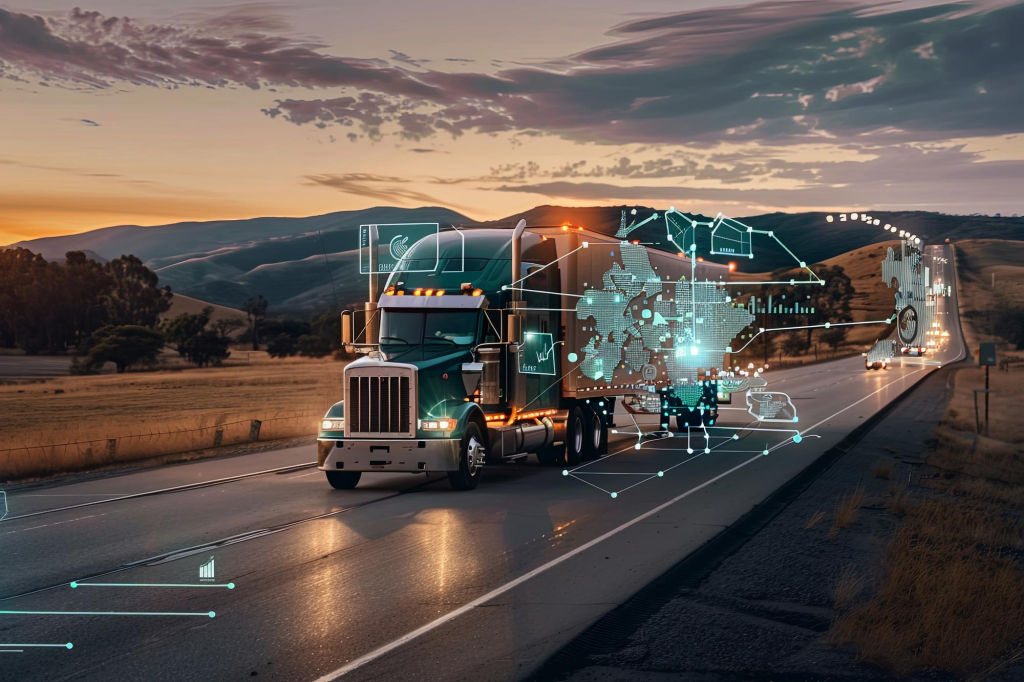
Real-time logistics visibility connects live operational data with decision-making. Instead of simply flagging a delay, it explains the cause, the potential impact, and the urgency of response.
This approach improves ETA accuracy, prioritizes exceptions, and allows teams to intervene earlier. Fleet data visibility, when designed around action, becomes a source of operational control rather than passive observation.
How does real-time logistics visibility reduce check calls?
Accurate ETAs and automated alerts remove the need for constant manual follow-ups, allowing teams to focus only on loads that require action.
When Visibility Lacks Control
Many transportation platforms stop at visibility. Teams can see issues developing but still scramble to respond. This increases stress and slows response times.
True fleet data visibility identifies which issues matter most, explains their downstream impact, and enables intervention before service failures occur. Control, not observation, is what ultimately improves performance.
Why Fleet Data Visibility Matters More Than Ever
Today’s freight environment leaves little room for error. Margins are tight, customer expectations are high, and disruptions are frequent.
In this context, reactive operations erode profitability, while proactive operations protect it. Fleet data visibility helps leaders move from firefighting to prevention, creating stability in an unpredictable environment.
Final Perspective: What Leaders Should Demand From Fleet Data
Rather than asking whether a system can track shipments, leaders should evaluate whether it helps prevent issues, reduce manual effort, and support better decisions. The true value of fleet data visibility lies in its ability to deliver control, not just information.
1. What is fleet data visibility?
Fleet data visibility refers to the ability to understand fleet status, risks, and performance in real time, beyond basic location tracking.
2. How is visibility different from tracking?
Tracking shows where assets are. Visibility explains what is happening, why it matters, and what action should follow.
3. Why is fleet data visibility important for brokers?
It enables proactive exception management, clearer communication, and stronger customer trust.
4. How does carrier fleet visibility improve operations?
It reduces dispatcher workload, improves planning accuracy, and supports more consistent on-time performance.
5. Can fleet data visibility improve margins?
Yes. By reducing delays, manual processes, and service failures, effective visibility directly supports profitability.

Related posts
The Hidden Costs of Manual Dispatch: What Brokers Don’t Calculate But Always Pay.
Manual dispatch leads to hidden financial losses from delays, errors, missed upd